







What You Should Know Before Sourcing HDMI Cables (Complete Buyer Guide)
What You Should Know Before Sourcing HDMI Cables (Complete Buyer Guide)
When sourcing Hdmi Cables—whether for wholesale, OEM branding, or retail—many buyers focus only on price. However, overlooking key technical and quality factors can lead to customer complaints, returns, and even brand damage.
This guide will walk you through the essential things to check before buying HDMI cables, helping you make smarter sourcing decisions.
1. Understand HDMI Versions (Don’t Mix Them Up)

Not all HDMI cables are the same. The version determines performance:
- HDMI 1.4 → Supports 1080p and basic 4K (30Hz)
- HDMI 2.0 → Supports 4K at 60Hz (mainstream market)
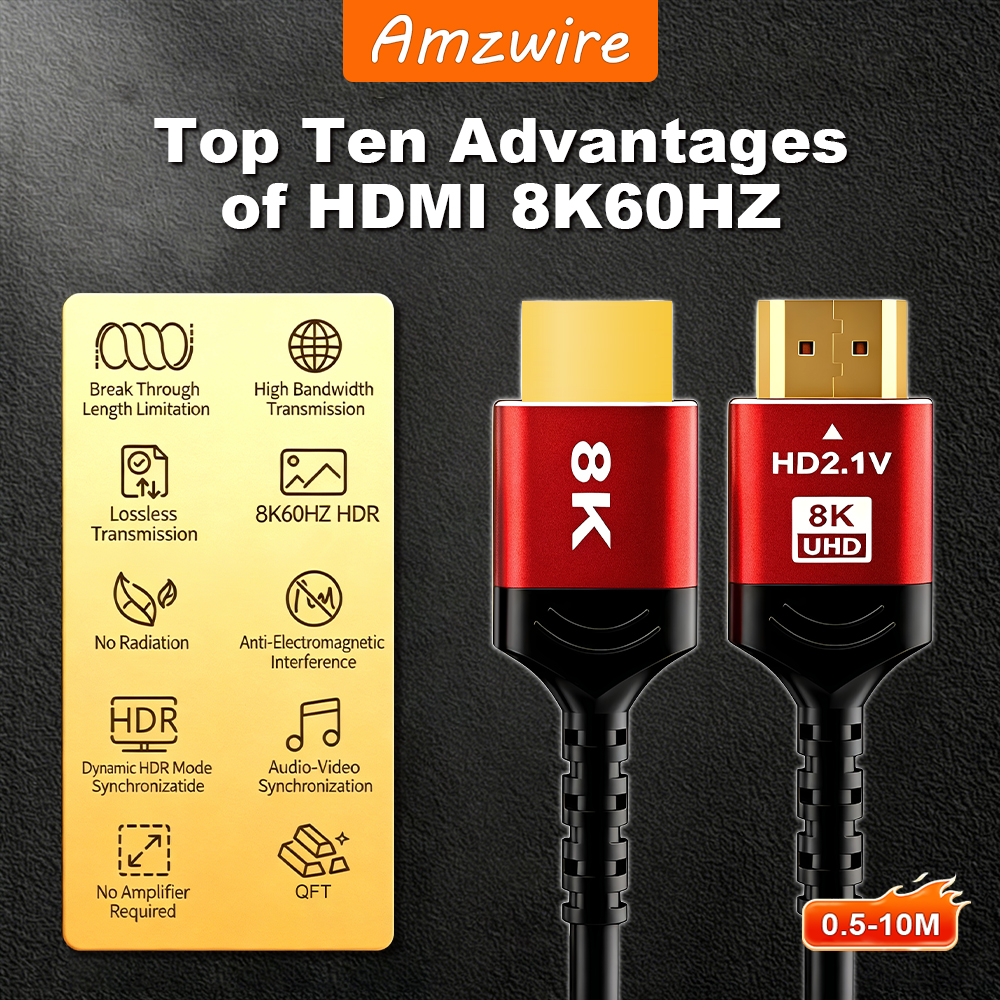
- Hdmi 2.1 → Supports 8K, 4K@120Hz, eARC, VRR (high-end demand)
👉 Buyer Tip:
Always match the cable version with your customer’s device requirements. Selling HDMI 2.1 to a 1080p market = overkill. Selling HDMI 1.4 to a gaming customer = complaints.
2. Cable Length Matters More Than You Think

Signal quality drops as length increases.
- 1–5 meters → No issue (standard passive cable)
- 5–15 meters → Needs higher quality shielding
- 15m+ → Requires active HDMI cable or fiber HDMI
👉 Buyer Tip:
If your customers are installers or project-based buyers, always recommend active or fiber solutions to avoid signal loss complaints.
3. Check Certification (Avoid Fake “High-Speed” Claims)

Many suppliers claim “High Speed” or “8K” without certification.
Look for:
- HDMI Licensing Certification
- Ultra High Speed QR label
- Compliance: CE / RoHS / FCC
👉 Buyer Tip:
Certified cables reduce risk of returns, compatibility issues, and disputes—especially for Amazon or retail clients.
4. Pay Attention to Build Quality

A Good Hdmi Cable is not just about resolution.
Key factors:
- Connector: Gold-plated (anti-oxidation)
- Shielding: Multi-layer protection
- Jacket: PVC or braided (durability)
- Internal core: Oxygen-free copper (better conductivity)
👉 Buyer Tip:
Low-quality cables may work initially—but fail after a few months, damaging your brand reputation.
5. Know Your Target Market (This Is Critical)

Different customers need different cables:
- Retail / Supermarket → Low-cost HDMI 1.4 / 2.0
- Gaming Market → HDMI 2.1 (high refresh rate)
- Project Installers → Long दूरी fiber HDMI
- OEM Brands → Custom packaging + certified products
👉 Buyer Tip:
Don’t sell one type to all customers. Segment your product strategy.
6. Packaging & Branding (Hidden Profit Driver)

Packaging impacts sales more than you think:
- Retail-ready design increases conversion
- OEM branding builds long-term value
- Clear specs reduce customer confusion
👉 Buyer Tip:
If you are building your own brand, invest in professional packaging + clear labeling.
Final Thoughts
Sourcing HDMI cables is not just about finding the cheapest supplier. It’s about:
✔ Matching product specs to market demand
✔ Ensuring stable quality and certification
✔ Reducing after-sales problems
✔ Building a reliable brand image
If you focus on these key areas, you will not only avoid common mistakes—but also gain a strong competitive advantage in your market.
Need Help with HDMI Cable Sourcing?
We are a 20-year OEM manufacturer specializing in HDMI, DP, and connectivity solutions.
We help global distributors and brands reduce risk and increase profits.
📩 Contact us today for:
- Product recommendations based on your market
- OEM/ODM customization
- Stable quality supply with fast delivery